DD1 — The Player in Motion | Người Chơi Trong Chuyển Động
The Angle Atlas — Why geometry of YOUR body determines every stroke quality
📋 DOCUMENT MAP / BẢN ĐỒ TÀI LIỆU
| 🇺🇸 English |
🇻🇳 Tiếng Việt |
| The first deep-dive in the Anatomy Lab library. This is the foundation. Every other DD (Shoulders, Arms, Trunk, Hips, Knees, Feet, Control System) builds on the principles you will read here. |
Deep-dive đầu tiên trong thư viện Anatomy Lab. Đây là nền tảng. Mọi DD khác (Vai, Tay, Thân, Hông, Gối, Bàn Chân, Hệ Kiểm Soát) đều xây trên các nguyên lý bạn sẽ đọc ở đây. |
| What it covers: joint angles at contact, the kinetic chain from ground up, footwork phases (split-step → push → recovery), why cheetah's 135–150° stifle flexion informs your 50–80° knee loading, the thoracic cage as a 3D rotating pump, and the 45° contact-point rule. |
Nội dung: góc khớp lúc tiếp xúc, chuỗi động học từ đất lên, các pha di chuyển (split-step → đẩy → hồi vị), vì sao gối cheetah 135–150° gợi ý gối bạn nạp 50–80°, lồng ngực như máy bơm xoay 3 chiều, và quy tắc contact 45°. |
| What it does NOT cover: stroke-by-stroke mechanics (Forehand/Backhand/Serve/Volley deep dives), mental game, racquet technology. |
Không bao gồm: cơ học từng cú (Forehand/Backhand/Serve/Volley deep dives), tâm lý, công nghệ vợt. |
| Reading time: 35–45 minutes. |
Thời gian đọc: 35–45 phút. |
📑 TABLE OF CONTENTS / MỤC LỤC
| # |
English |
Tiếng Việt |
| 1 |
The Geometry of Every Stroke — Angles at Contact |
Hình Học Của Mọi Cú Đánh — Góc Lúc Tiếp Xúc |
| 2 |
The Kinetic Chain — Force Travels from Ground to Ball |
Chuỗi Động Học — Lực Truyền Từ Đất Lên Bóng |
| 3 |
Footwork Phases — Split-Step, Push, Recovery |
Các Pha Di Chuyển — Split-Step, Đẩy, Hồi Vị |
| 4 |
Cheetah vs Alcaraz — The Spring Principle |
Báo Cheetah vs Alcaraz — Nguyên Lý Lò Xo |
| 5 |
The Thoracic Cage — Engineered Shield of Kinetic Elegance |
Lồng Ngực — Lá Chắn Sống Của Sự Uyển Chuyển |
| 6 |
The 45° Contact Rule — Why Your Arm Distance Matters |
Quy Tắc 45° Lúc Tiếp Xúc — Vì Sao Khoảng Cách Tay Quan Trọng |
| 7 |
The Backswing Pro Secret — Elbow Back & Extend |
Bí Mật Backswing Của Pro — Khuỷu Ra Sau & Duỗi Thẳng |
| 8 |
The Acceleration Truth — Big Muscles First |
Chân Lý Tăng Tốc — Cơ Lớn Trước, Cơ Nhỏ Sau |
| 🇺🇸 English |
🇻🇳 Tiếng Việt |
| Friend, let me say this clearly: the angle your body forms at contact is not a stylistic preference. It is the difference between a 3.5 player and a 4.5 player. Two players can run the same swing path — one gets pace and depth, the other gets a frame-shanked error. The geometry is the only difference. |
Bạn ơi, để tôi nói rõ: góc cơ thể bạn tạo thành lúc tiếp xúc không phải sở thích phong cách. Đó là khoảng cách giữa người chơi 3.5 và người chơi 4.5. Hai người có thể chạy cùng đường vung — một người được nhịp và chiều sâu, người kia đánh vào khung vợt. Hình học là khác biệt duy nhất. |
| The 6 angles that matter at contact (forehand right-hander as reference): knee flexion, hip rotation, trunk side-bend, shoulder abduction, elbow flexion, wrist layback. Each has a "safe range" and a "performance peak." Move outside the safe range and you leak power. Move below the performance peak and you lose pace. |
6 góc quan trọng lúc tiếp xúc (forehand người thuận tay phải làm chuẩn): gập gối, xoay hông, nghiêng thân, dạng vai, gập khuỷu, ngửa cổ tay. Mỗi cái có "vùng an toàn" và "đỉnh hiệu năng". Ra ngoài vùng an toàn là mất lực. Dưới đỉnh hiệu năng là mất tốc độ. |
| # |
Angle |
Safe Range |
Performance Peak |
Why (Biomechanical Reason) |
| 1 |
Knee flexion (LOADED) / Gập gối (NẠP) |
50–80° |
60–70° |
Quads store elastic energy in patellar tendon. Below 50° = no spring. Above 80° = shear on ACL risk. The 65° Alcaraz "push step" angle stores ~25% more elastic return than upright stance. (Roetert & Kovacs, Tennis Anatomy, Ch.1) |
| 2 |
Hip rotation / Xoay hông |
30–50° |
40–45° |
Gluteus maximus is a Class 3 lever acting on the femur. The 45° peak corresponds to the longest fiber length in glute max — beyond 50° the fibers start to slacken, beyond 30° you haven't loaded them. |
| 3 |
Trunk side-bend / Nghiêng thân |
10–25° |
15–20° |
Lateral flexion stretches the contralateral obliques and QL. At 15–20° they store elastic energy ready to recoil. Above 25° you compress the L4-L5 disc on the opposite side — back pain invitation. |
| 4 |
Shoulder abduction (at CONTACT) / Dạng vai (lúc CHẠM) |
80–110° |
90–100° |
This is the scapular plane — 30° forward of pure frontal. It maximizes deltoid leverage AND keeps the subacromial space open, preventing rotator cuff impingement. Outside this range → either pec-dominant (too closed) or impingement (too open). |
| 5 |
Elbow flexion / Gập khuỷu |
85–107° |
90–100° |
At ~90° the triceps tendon wraps the olecranon cleanly — the swing becomes a pendulum, not a fight. Above 107° (too bent) the forearm has to "snap out" → ulnar nerve traction at cubital tunnel. |
| 6 |
Wrist layback (LOADED → CONTACT) / Ngửa cổ tay (NẠP → CHẠM) |
LOADED: 90–110° extension → CONTACT: 0–20° extension |
5–15° at contact |
CRITICAL TRAP: the LOADED wrist (90°+ extension) and the CONTACT wrist (0–20° extension) are TWO DIFFERENT positions. Recreational players freeze the LOADED position and try to hit through it → the racquet face is already opened, ball sails long. The pro whip: lay back 110° → snap to 5° in 0.2s. This is the racket flip you can hear as "bộp." |
Why This Geometry Matters — The Domino Principle | Vì Sao Hình Học Này Quan Trọng — Nguyên Lý Domino
| 🇺🇸 English |
🇻🇳 Tiếng Việt |
| Your body is not 6 independent joints. It is 6 joints connected by a kinetic chain. When one angle is wrong, the next joint compensates. The compensation looks like a stroke. The result is injury or error. |
Cơ thể bạn không phải 6 khớp độc lập. Đó là 6 khớp nối bởi chuỗi động học. Khi một góc sai, khớp tiếp theo bù. Sự bù trông giống một cú đánh. Kết quả là chấn thương hoặc sai sót. |
| Example domino chain: knee at 30° (too straight, "standing forehand") → hip can only rotate 20° → trunk over-rotates 30° → shoulder abducted 130° (impingement zone) → elbow forced to 70° (ulnar nerve traction) → wrist whips through to compensate → "frame shank." |
Ví dụ chuỗi domino: gối 30° (quá thẳng, "forehand đứng") → hông chỉ xoay được 20° → thân xoay quá 30° → vai dạng 130° (vùng kẹt) → khuỷu ép xuống 70° (kéo căng thần kinh trụ) → cổ tay quật bù → "đánh vào khung." |
| The pro fix: drop the knee to 65° BEFORE the ball arrives. Once the knee is right, every joint up the chain has room to do its job. The pro doesn't think "rotate the hip." The pro drops the knee, and the hip rotates itself. |
Cách sửa của pro: hạ gối xuống 65° TRƯỚC khi bóng tới. Khi gối đúng rồi, mọi khớp phía trên đều có chỗ làm việc. Pro không nghĩ "xoay hông." Pro hạ gối, và hông tự xoay. |
Source DOCX: Giai_Phau_Tennis_Toan_Dien.docx, Anatomy_Chuyen_Dong.docx. Reference: Roetert & Kovacs, Tennis Anatomy, Ch.1.
Chapter 2 — The Kinetic Chain (Force Travels from Ground to Ball) | Chương 2 — Chuỗi Động Học (Lực Truyền Từ Đất Lên Bóng)
| 🇺🇸 English |
🇻🇳 Tiếng Việt |
| The summation of forces principle: every tennis stroke is the sum of forces from the ground up. The ball doesn't know you swung the racquet. The ball knows what your body pushed through the string bed at impact. |
Nguyên lý cộng dồn lực: mọi cú tennis là tổng lực từ đất lên. Bóng không biết bạn vung vợt. Bóng biết cơ thể bạn ép qua mặt vợt lúc va chạm là gì. |
| The 6-link chain in order: Ground → Feet → Legs → Hips → Trunk → Shoulder → Arm → Racquet → Ball. Each link adds force. The total at the ball is the SUM of all links, with proper TIMING. If any link is broken (e.g., hip doesn't rotate), the chain stops at that link and the arm has to do all the work — that's when the elbow inflames. |
Chuỗi 6 mắt xích theo thứ tự: Đất → Chân → Cẳng-Chân-Đùi → Hông → Thân → Vai → Tay → Vợt → Bóng. Mỗi mắt xích cộng thêm lực. Tổng lúc bóng là TỔNG các mắt xích, với ĐỊNH GIỜ đúng. Nếu mắt xích nào gãy (vd hông không xoay), chuỗi dừng tại đó và tay phải làm hết — khi đó khuỷu viêm. |
The Kinetic Chain Numbers | Con Số Chuỗi Động Học
| Link |
Force Contribution |
Delay from Previous |
Why |
| Ground reaction (legs push) |
~30–40% of racquet head speed |
t = 0 ms |
Foundation. Without ground push, no other link has anything to add. |
| Hip rotation (glute max contract) |
~25% |
+50–80 ms |
Largest muscle in body (gluteus maximus, ~30 kg potential force). Rotates pelvis which rotates femur. |
| Trunk rotation (obliques + lats) |
~20% |
+60–100 ms |
Connects lower body to upper body via thoracolumbar fascia. |
| Shoulder internal rotation (pec + lat + sub-scap) |
~10% |
+30–50 ms |
The "whip" begins. Shoulder internal rotation can reach 1,074–2,300°/sec during a serve. (Tennis Anatomy, Ch.2) |
| Elbow extension (triceps) |
~5% |
+20–40 ms |
Transfers shoulder rotation into racquet linear velocity. |
| Wrist snap (flexor pronator) |
~5% |
+10–20 ms |
Final whip. Last 0.2 seconds before contact. |
| Total |
~100% |
~250 ms chain |
The ball leaves the racquet ~0.25 seconds AFTER the legs first pushed. |
The Sequencing Rule | Quy Tắc Trình Tự
| 🇺🇸 English |
🇻🇳 Tiếng Việt |
| "Big muscles fire first, small muscles fire last." This is the SINGLE most important principle for a 50+ player. The legs (big) carry the load. The wrist (small) just whips at the end. When you "arm the ball," you have reversed the sequence. The wrist is doing 80% of the work. The wrist is not designed for that. Tendonitis is the predictable result. |
"Cơ lớn bắn trước, cơ nhỏ bắn sau." Đây là nguyên lý QUAN TRỌNG NHẤT cho người chơi 50+. Chân (lớn) chịu tải. Cổ tay (nhỏ) chỉ quất ở cuối. Khi bạn "tay đánh bóng," bạn đã đảo trình tự. Cổ tay làm 80% việc. Cổ tay không thiết kế cho việc đó. Viêm gân là kết quả dự đoán được. |
| Drill: stand in ready position. Have a friend yell "ball!" You have 1 second to drop into the forehand LOAD position. If you "arm it" (racquet goes back first), reset. If you "drop first" (knee bends, hip turns, THEN arm follows), count it. Do 10 reps. The drop is the kinetic chain working. |
Bài tập: đứng tư thế sẵn sàng. Nhờ bạn hét "bóng!" Bạn có 1 giây để rơi vào vị trí NẠP forehand. Nếu bạn "tay trước" (vợt ra sau trước), làm lại. Nếu bạn "rơi trước" (gối gập, hông xoay, SAU ĐÓ tay theo), tính điểm. Làm 10 lần. Cái rơi là chuỗi động học đang chạy. |
Source DOCX: Giai_Phau_Tennis_Toan_Dien.docx. Reference: Roetert & Kovacs, Tennis Anatomy, Ch.1, Ch.7.
| 🇺🇸 English |
🇻🇳 Tiếng Việt |
| A tennis point involves on average 4–5 directional changes. The professional player might do 500+ in a single match. Each change is a 3-phase cycle: split-step → push → recovery. Get the cycle right and you glide. Get it wrong and you stumble. |
Một điểm tennis trung bình có 4–5 lần đổi hướng. VĐV chuyên nghiệp có thể làm hơn 500 lần trong một trận. Mỗi lần đổi là chu trình 3 pha: split-step → đẩy → hồi vị. Làm đúng thì bạn lướt. Làm sai thì bạn vấp. |
The 3 Phases | 3 Pha
| Phase |
English Description |
Vietnamese |
Duration |
Key Angle / Cue |
| 1. Split-Step |
Land on both feet as opponent strikes. Coiled-spring loading. |
Đáp cả hai chân khi đối phương đánh. Nạp lò xo. |
~150 ms |
Knees 50–70° flexed, weight on balls of feet, both feet shoulder-width apart. |
| 2. Push |
Explosive first step in direction of ball. Ground reaction force. |
Bước đầu bùng nổ về hướng bóng. Lực phản đất. |
~200 ms |
Push step knee ~65° (Alcaraz measured angle). Trunk lean forward 15–20°. |
| 3. Recovery |
Return to center after shot. Outside leg bridge. |
Trở về trung tâm sau cú đánh. Chân ngoài làm cầu. |
~400–600 ms |
Cross-over shuffle or backpedal. Outside leg angled 30–45° (see DD7 on foot). |
Alcaraz's 3 Frames — A Real Example | 3 Khung Hình Của Alcaraz — Ví Dụ Thực
| Frame |
Time |
Knee Angle |
What He's Doing |
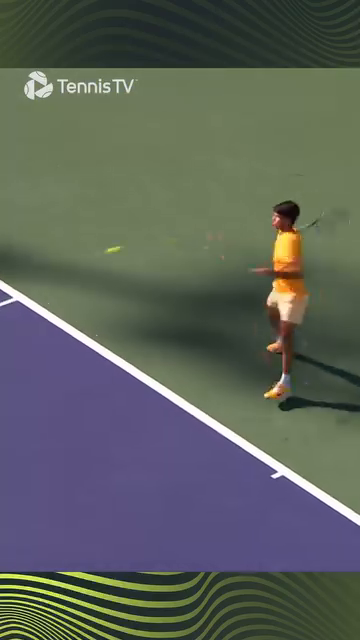
| 3a |
0.0 s |
~65° |
Push step — hips low, knee loaded. Ground reaction force ready. |
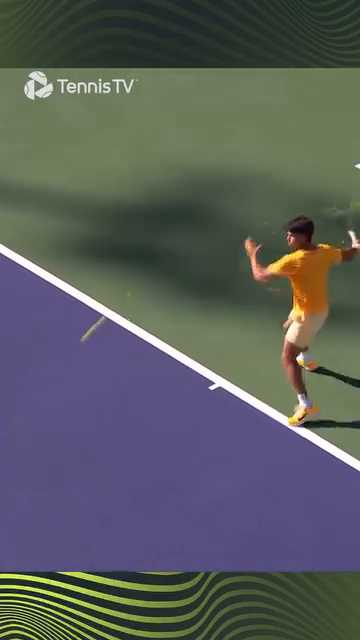
| 3b |
1.2 s |
~45° |
Short landing — toe under hip. Calf stores elastic energy. |
| 3c |
3.5 s |
~70° |
Brake and rotate — trunk opens like a tail for balance. |
The Outside Leg Bridge — Why It Exists | Chân Ngoài Làm Cầu — Vì Sao Tồn Tại
| 🇺🇸 English |
🇻🇳 Tiếng Việt |
| When you hit a forehand, your front leg (left for right-hander) becomes the bridge leg. It takes up to 3–5x body weight in compressive load. It is angled 30–45° (not straight). The angle uses the transverse arch of the foot as a strut, converting horizontal force into vertical compression up through the talus. |
Khi bạn đánh forehand, chân trước (chân trái với người thuận tay phải) trở thành chân cầu. Nó chịu tải nén tới 3–5 lần trọng lượng cơ thể. Nó nghiêng 30–45° (không thẳng). Góc này dùng vòm ngang của bàn chân làm thanh chống, chuyển lực ngang thành lực nén dọc đi lên xương sên. |
| If straight: all horizontal force → knee valgus → medial meniscus load. |
Nếu thẳng: toàn bộ lực ngang → valgus gối → tải sụn chêm trong. |
| If angled 30–45°: force decomposes into compression. Knee safe. |
Nếu nghiêng 30–45°: lực phân giải thành nén. Gối an toàn. |
Source DOCX: Anatomy_Chuyen_Dong.docx, Giai_phau_Ban_chan_Tennis.docx (Ch.11). Reference: Tennis Anatomy Ch.7 (Legs), Ch.9 (Movement Drills).
Chapter 4 — Cheetah vs Alcaraz (The Spring Principle) | Chương 4 — Báo Cheetah vs Alcaraz (Nguyên Lý Lò Xo)
| 🇺🇸 English |
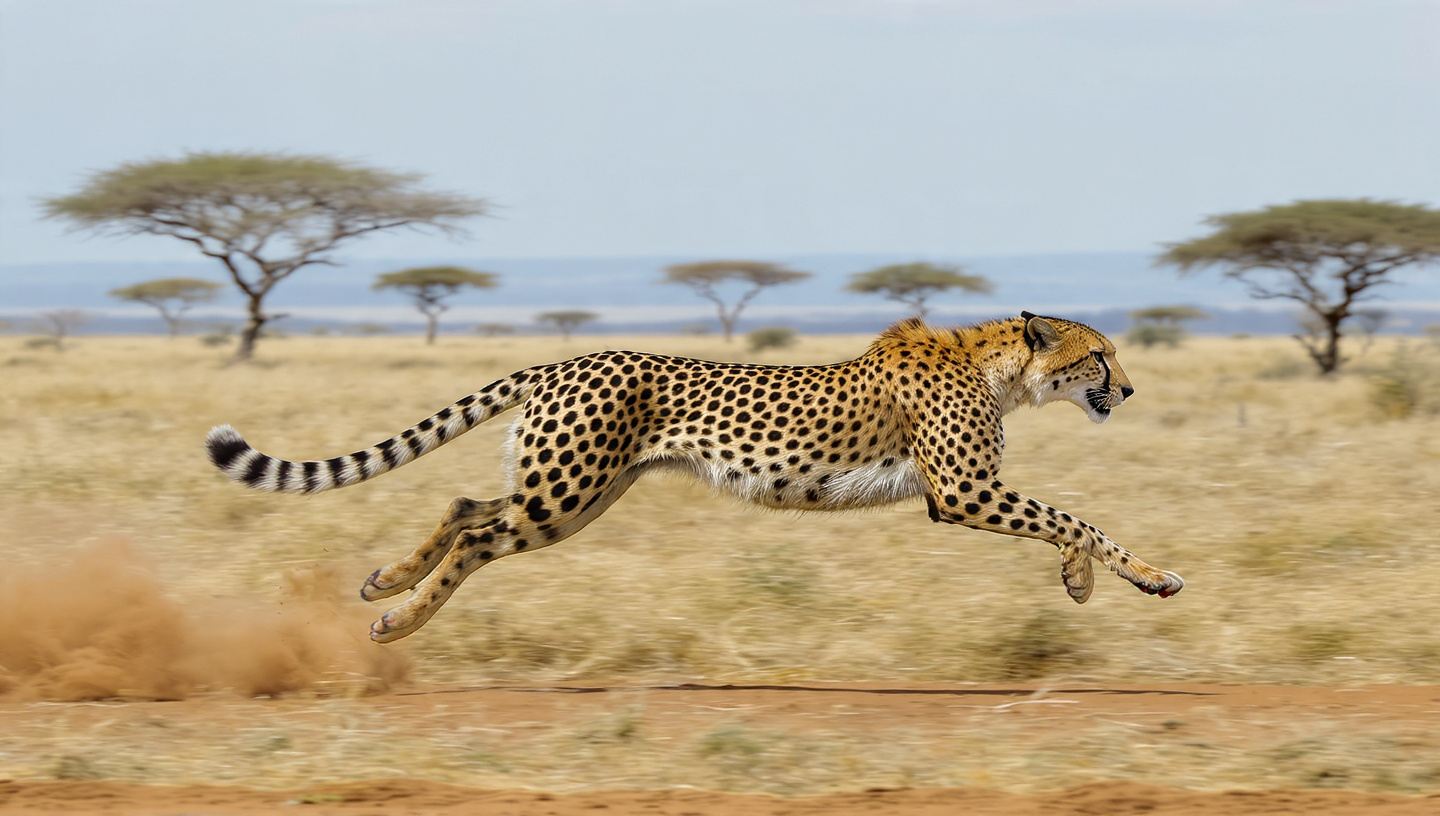
🇻🇳 Tiếng Việt |
| The cheetah comparison is not about copying. The cheetah stifle (knee equivalent) flexes 135–150° in the gathered phase — that allows stride frequency to increase to 3.5 strides/second. At 18 m/s, 70% of body weight shifts to the hindlimb. The spine extends maximally. |
So sánh với báo không phải để bắt chước. Khớp stifle (tương đương gối) của báo gập 135–150° trong pha gathered — điều đó cho phép tần số sải tăng lên 3.5 sải/giây. Ở 18 m/s, 70% trọng lượng cơ thể dồn về chi sau. Cột sống duỗi tối đa. |
| The lesson for humans: it's not the maximum angle. It's the COORDINATION. The cheetah doesn't flex 150° and stop. It flexes 150° AND extends 150° AND extends again — at 3.5 Hz. The rhythm, not the angle, is the lesson. |
Bài học cho người: không phải góc cực đại. Là SỰ PHỐI HỢP. Báo không gập 150° rồi dừng. Nó gập 150° VÀ duỗi 150° VÀ duỗi tiếp — ở 3.5 Hz. Nhịp điệu, không phải góc, là bài học. |
The 7 Safe-Joint Rules | 7 Quy Tắc Khớp An Toàn
| Joint |
Safe Range for Loading |
Why |
Dr. Phạm Đức's Note |
| Knee |
50–80° |
Storage capacity of patellar tendon. Above 90° = shear on ACL. |
"Đừng lunge quá sâu. Gối 65° đủ." |
| Hip |
30–40° forward flexion |
Glute max stretches. Above 50° the hamstrings steal the load. |
"Hông gập, đùi sau đẩy ngược lên." |
| Elbow |
85–107° at end of takeback |
Triceps tendon wraps olecranon cleanly. Above 107° = cubital tunnel pressure. |
"Khuỷu không dẫn. Giữ 90°, đừng ép vào người." |
| Wrist |
~20° extension at CONTACT |
Eccentric loading of flexor tendons. 13° flexion = beginner's mistake, strains the FCU. |
"Cổ tay thả lỏng lúc chạm, không quật." |
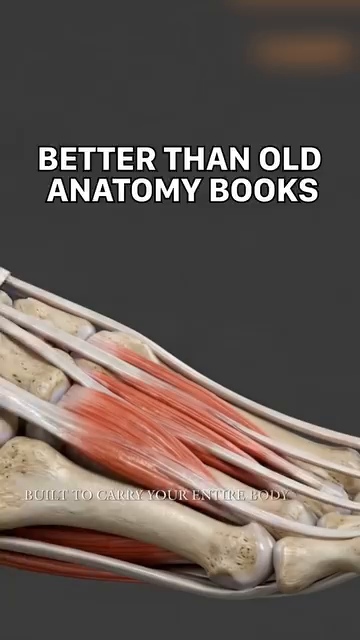
| Foot |
Triple-plantar (heel-1st-toe-ball) |
Windlass mechanism engages. Short-foot drill first. |
"Dán chân trước khi đẩy." |
| Ankle |
10–15° dorsiflexion |
Calf stores elastic energy. |
"Không gót chạm đất khi split-step." |
| Trunk |
15–20° lateral flexion |
Obliques + QL store elastic energy. |
"Thân nghiêng 20°, không cúi." |
The Royal Veterinary College Finding — What Cheetah Teaches Us
| 🇺🇸 English |
🇻🇳 Tiếng Việt |
| Finding: at 18 m/s, 70% of body weight shifts to the hindlimb. The spine extends maximally (not flexes). The stride frequency, not the stride length, is the differentiator. |
Phát hiện: ở 18 m/s, 70% trọng lượng cơ thể dồn về chi sau. Cột sống duỗi tối đa (không gập). Tần số sải, không phải chiều dài sải, là yếu tố khác biệt. |
| Tennis translation: the players who look "effortless" are not stronger. They have higher stride frequency (more steps per second) and higher rhythm efficiency (less wasted motion). Watch Alcaraz vs a 3.5 club player: Alcaraz takes 4 quick steps. The 3.5 takes 2 long steps. Alcaraz arrives sooner. |
Áp dụng tennis: người chơi trông "nhẹ nhàng" không phải mạnh hơn. Họ có tần số bước cao hơn (nhiều bước/giây hơn) và hiệu suất nhịp cao hơn (ít chuyển động thừa). Xem Alcaraz vs người chơi 3.5 club: Alcaraz 4 bước nhanh. 3.5 hai bước dài. Alcaraz tới sớm hơn. |
Source DOCX: Anatomy_Chuyen_Dong.docx. Reference: Royal Veterinary College cheetah study cited in source DOCX.
Chapter 5 — The Thoracic Cage (Engineered Shield of Kinetic Elegance) | Chương 5 — Lồng Ngực (Lá Chắn Sống)
| 🇺🇸 English |
🇻🇳 Tiếng Việt |
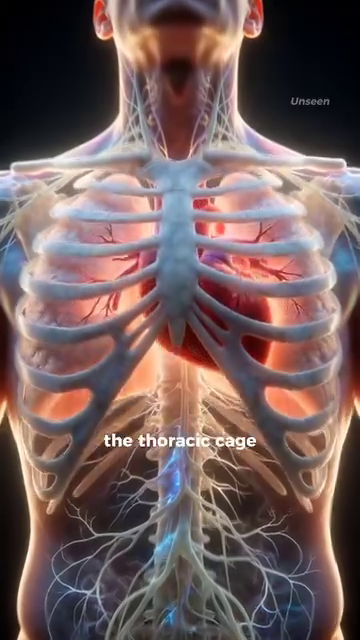
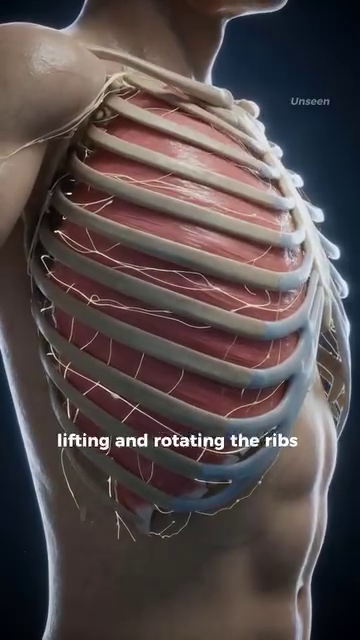
| The thorax is not a barrel. It is a 12-pair articulated structure: 7 pairs "true ribs" attached directly to the sternum, 3 pairs "false ribs" attached indirectly, 2 pairs "floating ribs." Each rib has its own range of motion — the bucket-handle rotation that lifts and expands the rib cage. |
Lồng ngực không phải thùng. Nó là cấu trúc 12 đôi khớp: 7 đôi "xương sườn thật" gắn trực tiếp vào ức, 3 đôi "xương sườn giả" gắn gián tiếp, 2 đôi "xương sườn cụt." Mỗi xương sườn có tầm vận động riêng — kiểu xoay tay cầm xô nâng và mở rộng lồng ngực. |
| The misconception: "thorax = armor for the heart." Partly true. The deeper truth: the thorax is a 3D pump + a rotation platform + a breathing engine. It generates force for groundstrokes AND oxygen for rallies. |
Hiểu lầm: "lồng ngực = áo giáp cho tim." Đúng một phần. Sự thật sâu hơn: lồng ngực là máy bơm 3D + nền tảng xoay + động cơ hô hấp. Nó tạo lực cho groundstrokes VÀ oxy cho rally. |
The 3 Functions of the Thoracic Cage | 3 Chức Năng Của Lồng Ngực
| Function |
Numbers |
Tennis Translation |
| Pump (breathing) |
Ribs lift 3–5 mm each breath → lung volume +0.5 L |
In a 20-shot rally, the player who maintains thoracic mobility gets 10–15% more oxygen → 2nd-set fatigue delayed. The player who slouches loses 0.5 L capacity → game-2 shoulder fatigue. |
| Rotation platform |
40–50° total trunk rotation available |
Modern forehand requires 40–50° rotation. Thoracic stiffness locks this — the body finds rotation elsewhere (lumbar disc) → back pain. |
| Force transfer |
Latissimus dorsi originates on T7–L5 thoracolumbar fascia |
Lats produce ~40% of racquet head speed on serve. But lats can only fire effectively if multifidus (deep spine) locks the lumbar first. Without lumbar lock, lat force leaks into the disc. |
The "Bucket Handle" Mechanism | Cơ Chế "Tay Cầm Xô"
| 🇺🇸 English |
🇻🇳 Tiếng Việt |
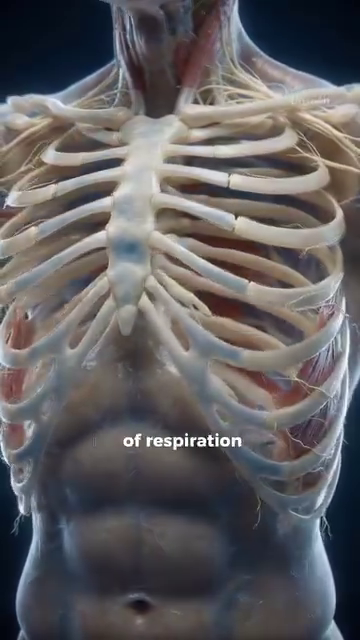
| When you inhale deeply, the external intercostals lift each rib at the costal angle. The ribs rotate outward and upward — like the handle of a bucket lifting. This increases the front-to-back AND side-to-side diameter of the thorax. |
Khi bạn hít vào sâu, cơ gian sườn ngoài nâng mỗi xương sườn tại góc sườn. Xương sườn xoay ra ngoài và lên trên — như tay cầm xô nâng lên. Điều này tăng đường kính trước-sau VÀ ngang của lồng ngực. |
| Tennis cue: the intercostals are TRAINABLE. The "Thoracic rotation with breath" drill: stand sideways, arms crossed over chest, rotate 40° each direction WHILE taking a deep breath. Do 10 reps each side before every match. This keeps the bucket handle moving. |
Câu nhắc tennis: cơ gian sườn CÓ THỂ TẬP. Bài "Xoay thân với hơi thở": đứng nghiêng, tay khoanh trước ngực, xoay 40° mỗi bên TRONG KHI hít thở sâu. Làm 10 lần mỗi bên trước mỗi trận. Cái này giữ tay cầm xô chuyển động. |
Source DOCX: Giai_Phau_Tennis_Toan_Dien.docx. Reference: Roetert & Kovacs, Tennis Anatomy, Ch.4 (Chest), Ch.5 (Back).
| 🇺🇸 English |
🇻🇳 Tiếng Việt |
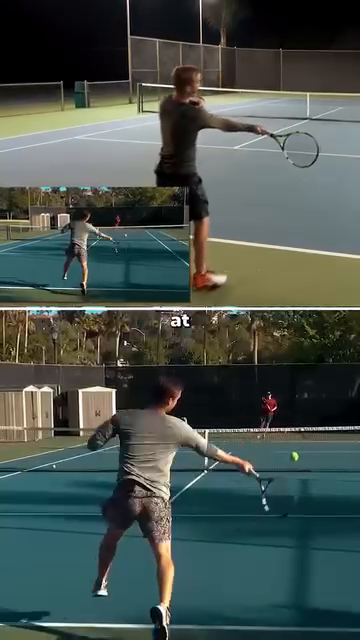
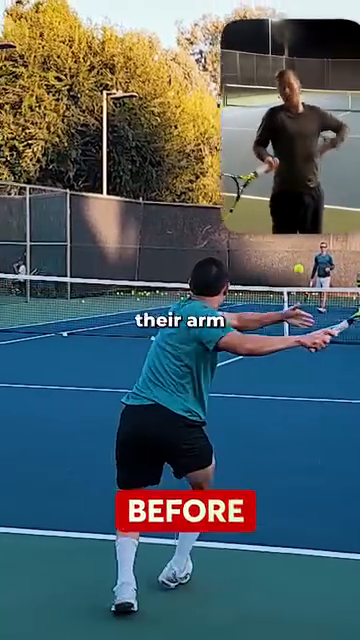
| The single biggest amateur mistake: hitting with the arm too close to the body. The arm folds at the elbow, the wrist has to compensate, the elbow flares, the ball lands in the net or sails long. |
Sai lầm lớn nhất của người chơi nghiệp dư: đánh với tay quá gần thân. Tay gập ở khuỷu, cổ tay phải bù, khuỷu xòe ra, bóng rơi lưới hoặc bay dài. |
| The pro rule: at contact, the arm is ~45° away from the trunk. This places the shoulder in the scapular plane (~30° forward of pure frontal plane). It creates a lever length of ~65 cm (versus ~40 cm when the arm is tight to the body). |
Quy tắc pro: lúc tiếp xúc, tay cách thân ~45°. Điều này đặt vai trong scapular plane (~30° về phía trước so với mặt phẳng trán thuần). Nó tạo chiều dài đòn bẩy ~65 cm (so với ~40 cm khi tay sát thân). |
| Element |
Tight to Body (amateur) |
45° Away (pro) |
Why |
| Lever length (shoulder to ball) |
~40 cm |
~65 cm |
Longer lever = more racquet head speed for same angular velocity. |
| Shoulder angle |
~30° abduction (in front of body) |
~90° in scapular plane |
Scapular plane maximizes deltoid leverage AND opens subacromial space. |
| Elbow angle at contact |
~70° (forced flexion) |
~100° (natural pendulum) |
100° lets the swing become a pendulum. 70° forces the forearm to "snap out" → ulnar nerve traction. |
| Wrist layback |
Compensating (snapping) |
Natural whip (0–20°) |
When elbow is at 100°, the wrist can lay back naturally. When elbow is at 70°, the wrist is already maxed — no whip room. |
| Risk of injury |
High (ulnar, rotator cuff) |
Low |
Multiple joints doing their job → no single joint overloaded. |
The Djokovic Demonstration | Minh Họa Của Djokovic
| 🇺🇸 English |
🇻🇳 Tiếng Việt |
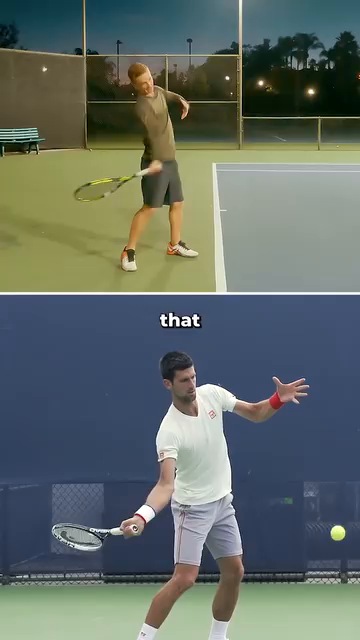
| Look at any Djokovic forehand still-frame at contact. The arm is NOT bent at 30°. The arm is extended at ~100°. The ball is in front of the body, not next to it. The shoulder is in the scapular plane. The wrist is laid back 5–15° but NOT snapping. |
Xem bất kỳ khung hình forehand Djokovic lúc tiếp xúc. Tay KHÔNG gập 30°. Tay duỗi ~100°. Bóng ở phía trước thân, không cạnh thân. Vai trong scapular plane. Cổ tay ngửa 5–15° nhưng KHÔNG quật. |
| The 3.5 player copies this but with bent arm: elbow at 70°, wrist forced to snap → frame, error, inflammation. The shape is similar. The geometry is wrong. |
Người chơi 3.5 bắt chước nhưng với tay gập: khuỷu 70°, cổ tay buộc quật → đánh khung, lỗi, viêm. Hình dáng giống. Hình học sai. |
Source DOCX: Giai_Phau_Tennis_Toan_Dien.docx. Reference: Tennis Anatomy Ch.2 (Shoulders), observation from professional forehand biomechanics.
Chapter 7 — The Backswing Pro Secret (Elbow Back & Extend) | Chương 7 — Bí Mật Backswing Của Pro (Khuỷu Ra Sau & Duỗi Thẳng)
| 🇺🇸 English |
🇻🇳 Tiếng Việt |
| The amateur backswing: arm bends at elbow, racket goes straight back behind the body. Result: short lever, late prep, wrist must snap. |
Backswing nghiệp dư: tay gập khuỷu, vợt thẳng ra sau lưng. Kết quả: đòn bẩy ngắn, chuẩn bị trễ, cổ tay phải quật. |
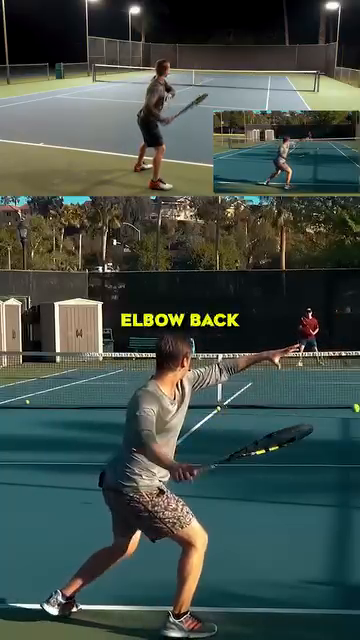
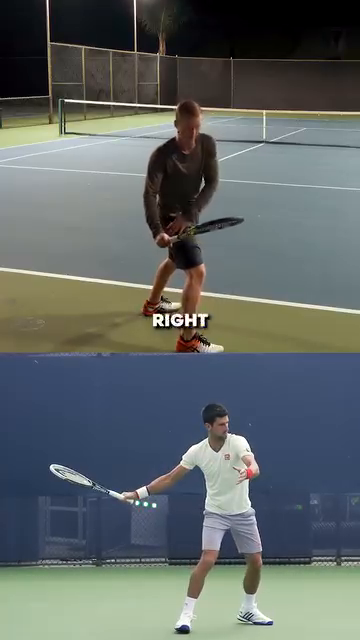
| The pro backswing: after the unit turn, ABDUCT the elbow (raise it out to the side and slightly back) AND EXTEND the elbow (straighten it). Result: the hand ends up level with the right hip, racket head pointing up at 5:30 position. |
Backswing pro: sau unit turn, DẠNG khuỷu (nâng khuỷu ra bên và hơi ra sau) VÀ DUỖI khuỷu (thẳng khuỷu). Kết quả: tay ngang hông phải, đầu vợt chỉ lên vị trí 5:30. |
Why "Elbow Back + Extend" Is the Secret | Vì Sao "Khuỷu Ra Sau + Duỗi" Là Bí Mật
| Element |
Effect |
Biomechanical Reason |
| Abduction (raise elbow out to side) |
Stretches the pectoralis major and anterior deltoid |
The pec major is a 2-joint muscle (shoulder + humerus). Stretching it stores elastic energy in the tendon. When the forward swing begins, the pec CONTRACTS powerfully — adding ~20% to forward acceleration. |
| Extension (straighten elbow) |
Stretches the long head of triceps AND the latissimus dorsi (via thoracolumbar fascia) |
Both are large force producers. Stretch them in backswing → they snap back during forward swing. This is the "elastic whip." |
| 5:30 racket position (hand low, racket head up) |
Puts the forearm in the scapular plane |
The 30° forward-of-frontal-plane orientation reduces subacromial impingement risk AND maximizes the lever length for the forward swing. |
| Racket flip effortless |
The racket appears to "flip" through contact |
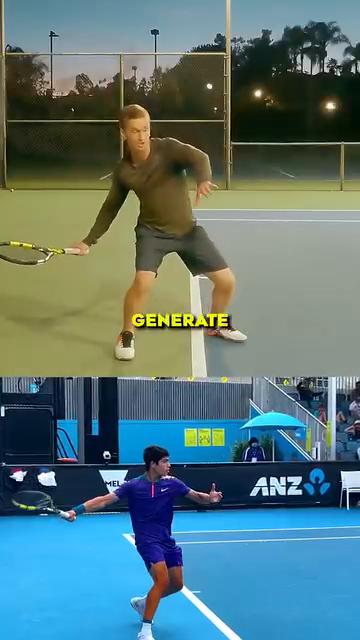
This is NOT wrist snap. It is the elastic recoil of the stretched pec major + lat + long-head-triceps. The wrist is RELAXED. The flip happens because the larger muscles are recoiling. |
The "Coiled Spring" Cue | Câu Nhắc "Lò Xo Cuộn"
| 🇺🇸 English |
🇻🇳 Tiệt Việt |
| Imagine a bow and arrow. The string (your pec + lat) is pulled back. The arrow (your hand) is at full draw. The moment you release, the string snaps forward and the arrow flies. Your backswing is the draw. Your forward swing is the release. The racket flip is the arrow leaving the bow. |
Hình dung cung và tên. Dây cung (pec + lat của bạn) kéo ra sau. Mũi tên (tay bạn) ở vị trí kéo căng. Khoảnh khắc bạn buông, dây cung bật về trước và mũi tên bay. Backswing của bạn là kéo. Forward swing của bạn là buông. Racket flip là mũi tên rời cung. |
| The 3.5 mistake: the amateur draws the bow with the string already loose. They pull the arrow (wrist) but the string (pec + lat) is slack. No energy stored. No flip. All arm. |
Sai lầm của 3.5: người nghiệp dư kéo cung với dây đã lỏng. Họ kéo mũi tên (cổ tay) nhưng dây cung (pec + lat) chùng. Không tích năng lượng. Không flip. Toàn tay. |
Source DOCX: Giai_Phau_Tennis_Toan_Dien.docx.
Chapter 8 — The Acceleration Truth (Big Muscles First) | Chương 8 — Chân Lý Tăng Tốc (Cơ Lớn Trước, Cơ Nhỏ Sau)
| 🇺🇸 English |
🇻🇳 Tiếng Việt |
| The numbers don't lie. A 50+ recreational player has gluteus maximus potential of ~30 kg of force. The wrist flexors total ~300 g of force. The big muscle is 100x stronger than the small muscle. If your forehand comes mostly from your wrist, you are using 0.3 kg of force when you have 30 kg available. |
Con số không nói dối. Người chơi 50+ phong trào có tiềm năng gluteus maximus ~30 kg lực. Cơ gập cổ tay tổng ~300 g lực. Cơ lớn mạnh gấp 100 lần cơ nhỏ. Nếu forehand của bạn đến chủ yếu từ cổ tay, bạn đang dùng 0.3 kg lực khi có 30 kg sẵn. |
| The principle: drive the legs → rotate the hips → turn the trunk → pull the shoulder → extend the elbow → whip the wrist. Each link adds. The wrist is the LAST link, the smallest contribution, the final whip. |
Nguyên lý: đẩy chân → xoay hông → xoay thân → kéo vai → duỗi khuỷu → quất cổ tay. Mỗi mắt xích cộng thêm. Cổ tay là mắt xích CUỐI, đóng góp nhỏ nhất, là cái quất cuối. |
The Force-by-Link Table | Bảng Lực Theo Mắt Xích
| Link |
Muscle |
Peak Force Available |
Tennis Role |
| 1 |
Gluteus maximus |
~3,000 N (300 kg potential) |
Initiates hip extension. Drives first 30% of racquet speed. |
| 2 |
Quadriceps (rectus femoris + vastii) |
~5,000 N combined |
Knee extension during push-off and during follow-through. |
| 3 |
Latissimus dorsi |
~800 N |
Internal rotation of shoulder + trunk flexion. Drives the "pull" phase of the swing. |
| 4 |
Pectoralis major |
~400 N |
Horizontal adduction + internal rotation of shoulder. |
| 5 |
Deltoid (anterior) |
~300 N |
Shoulder flexion + horizontal adduction. |
| 6 |
Triceps brachii |
~500 N |
Elbow extension. Transfers shoulder rotation to linear racquet motion. |
| 7 |
Wrist flexors |
~50 N combined |
The final whip. Last 5% of racquet head speed. |
The 50+ Adaptation | Thích Nghi Cho 50+
| 🇺🇸 English |
🇻🇳 Tiếng Việt |
| Friend, here is the truth about being 50+. Your gluteus maximus is still ~30 kg of potential force. Your wrist has always been ~300 g. The relative ratio hasn't changed. What HAS changed is your nervous system's ability to RECRUIT the big muscles quickly. The motor units fire slower. The recruitment threshold is higher. |
Bạn ơi, đây là sự thật về việc 50+. Gluteus maximus của bạn vẫn có tiềm năng ~30 kg lực. Cổ tay bạn vẫn luôn là ~300 g. Tỉ lệ tương đối không đổi. Cái ĐÃ ĐỔI là khả năng HÀY ĐỘNG cơ lớn của hệ thần kinh. Các đơn vị vận động bắn chậm hơn. Ngưỡng huy động cao hơn. |
| The fix: the warm-up must EXPLICITLY recruit the glutes. Glute bridges. Banded clamshells. Single-leg deadlifts. 5 minutes BEFORE you step on court. This pre-activates the motor units so they're ready when the point starts. |
Cách sửa: khởi động phải HÀY ĐỘNG glutes một cách TƯỜNG MINH. Glute bridge. Banded clamshell. Single-leg deadlift. 5 phút TRƯỚC khi bước lên sân. Cái này pre-activate các đơn vị vận động để chúng sẵn sàng khi điểm bắt đầu. |
| What doesn't work: static stretching the quads before play. It INHIBITS the muscle spindles for 15–20 minutes. Your nervous system thinks the quad is "too long" and refuses to fire it fast. You feel loose. You play slow. |
Cái không hiệu quả: giãn tĩnh quads trước khi chơi. Nó ỨC CHẾ các thoi cơ trong 15–20 phút. Hệ thần kinh của bạn nghĩ quad "quá dài" và từ chối bắn nó nhanh. Bạn cảm thấy lỏng. Bạn chơi chậm. |
Source DOCX: Giai_Phau_Tennis_Toan_Dien.docx. Reference: Tennis Anatomy Ch.1, Ch.7 (Legs).
📋 DD1 CARD — Printable / THẺ IN ĐƯỢC DD1
╔═══════════════════════════════════════════════════════════╗
║ DD1 CARD — THE PLAYER IN MOTION ║
║ THẺ DD1 — NGƯỜI CHƠI TRONG CHUYỂN ĐỘNG ║
╠═══════════════════════════════════════════════════════════╣
║ ║
║ 🎯 ONE BIG IDEA / Ý TƯỞNG CỐT LÕI: ║
║ Stroke quality is GEOMETRY, not strength. ║
║ Six joint angles at contact determine pace and ║
║ safety. Get the angles right, the strength follows. ║
║ ║
║ Chất lượng cú đánh là HÌNH HỌC, không phải sức mạnh. ║
║ Sáu góc khớp lúc tiếp xúc quyết định tốc độ và ║
║ an toàn. Góc đúng rồi, sức mạnh tự theo. ║
║ ║
║ ──────────────────────────────────────────────────────── ║
║ KEY ANGLES / CÁC GÓC CHÍNH: ║
║ • Knee LOADED 60–70° (not 30° standing, not 90° lunge) ║
║ • Hip rotation 40–45° at contact ║
║ • Shoulder 90–100° abduction in scapular plane ║
║ • Elbow 90–100° (natural pendulum, NOT 70° snap-out) ║
║ • Wrist 5–15° extension at CONTACT (NOT 110° snap) ║
║ • Arm 45° away from trunk (NOT tight to body) ║
║ ║
║ ──────────────────────────────────────────────────────── ║
║ ⚠️ TOP MISTAKE / LỖI PHỔ BIẾN NHẤT: ║
║ Freezing the LOADED wrist position and trying to ║
║ hit through it. The LOADED position is 90–110° ║
║ wrist extension. The CONTACT position is 0–20°. ║
║ These are TWO DIFFERENT positions. The whip is ║
║ the 0.2-second transition between them. ║
║ ║
║ ──────────────────────────────────────────────────────── ║
║ 🔁 DRILL / BÀI TẬP: ║
║ "Drop first" drill: ready position, friend yells ║
║ "ball!", drop into LOAD position in 1 second. ║
║ If your racquet goes back BEFORE your knee bends, ║
║ reset. Do 10 reps before each session. ║
║ ║
║ ──────────────────────────────────────────────────────── ║
║ 💭 MASTER CUE / CÂU NHẮC TỔNG: ║
║ "Drop the knee, the hip will follow." ║
║ "Hạ gối trước, hông sẽ theo." ║
║ ║
╚═══════════════════════════════════════════════════════════╝
╔═══════════════════════════════════════════════════════════╗
║ DD1 CARD — THE PLAYER IN MOTION ║
║ THẺ DD1 — NGƯỜI CHƠI TRONG CHUYỂN ĐỘNG ║
╠═══════════════════════════════════════════════════════════╣
║ ║
║ 🎯 ONE BIG IDEA / Ý TƯỞNG CỐT LÕI: ║
║ Stroke quality is GEOMETRY, not strength. ║
║ Six joint angles at contact determine pace and ║
║ safety. Get the angles right, the strength follows. ║
║ ║
║ Chất lượng cú đánh là HÌNH HỌC, không phải sức mạnh. ║
║ Sáu góc khớp lúc tiếp xúc quyết định tốc độ và ║
║ an toàn. Góc đúng rồi, sức mạnh tự theo. ║
║ ║
║ ──────────────────────────────────────────────────────── ║
║ KEY ANGLES / CÁC GÓC CHÍNH: ║
║ • Knee LOADED 60–70° (not 30° standing, not 90° lunge) ║
║ • Hip rotation 40–45° at contact ║
║ • Shoulder 90–100° abduction in scapular plane ║
║ • Elbow 90–100° (natural pendulum, NOT 70° snap-out) ║
║ • Wrist 5–15° extension at CONTACT (NOT 110° snap) ║
║ • Arm 45° away from trunk (NOT tight to body) ║
║ ║
║ ──────────────────────────────────────────────────────── ║
║ ⚠️ TOP MISTAKE / LỖI PHỔ BIẾN NHẤT: ║
║ Freezing the LOADED wrist position and trying to ║
║ hit through it. The LOADED position is 90–110° ║
║ wrist extension. The CONTACT position is 0–20°. ║
║ These are TWO DIFFERENT positions. The whip is ║
║ the 0.2-second transition between them. ║
║ ║
║ ──────────────────────────────────────────────────────── ║
║ 🔁 DRILL / BÀI TẬP: ║
║ "Drop first" drill: ready position, friend yells ║
║ "ball!", drop into LOAD position in 1 second. ║
║ If your racquet goes back BEFORE your knee bends, ║
║ reset. Do 10 reps before each session. ║
║ ║
║ ──────────────────────────────────────────────────────── ║
║ 💭 MASTER CUE / CÂU NHẮC TỔNG: ║
║ "Drop the knee, the hip will follow." ║
║ "Hạ gối trước, hông sẽ theo." ║
║ ║
╚═══════════════════════════════════════════════════════════╝
🖼️ ILLUSTRATIONS / HÌNH MINH HỌA
All images sourced from your Anatomy_Lab/images/DD1_player_in_motion/ folder. See matching filenames referenced inline below. (24 images available in this DD's folder.)
Source: Tennis Anatomy Ch.1, page 24-26. The classic "kinetic chain" diagram showing muscle activation during open-stance forehand.
| Phase |
Muscle Activation |
Image Reference |
| Backswing |
Posterior deltoid, infraspinatus, teres minor, trapezius, rhomboids, serratus anterior (eccentric) |
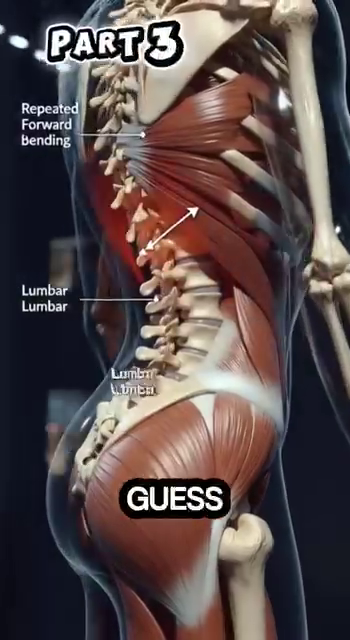 (Tennis Anatomy rendering) (Tennis Anatomy rendering) |
| Forward swing |
Gastrocnemius, soleus, quadriceps, gluteals, hip rotators (concentric) |
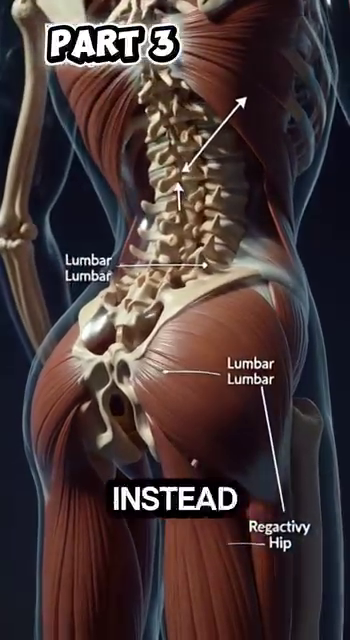 |
| Contact |
Anterior deltoid, pectoralis major, subscapularis, wrist extensors |
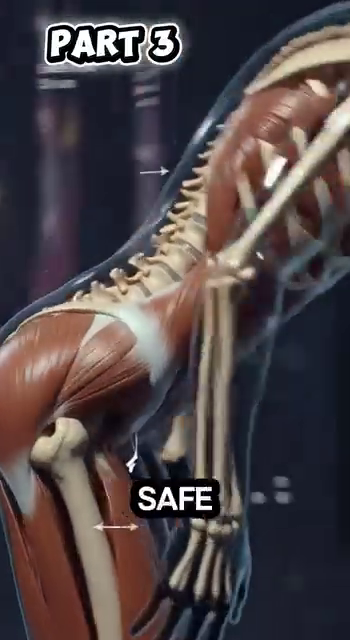 |
| Follow-through |
Posterior deltoid, infraspinatus, teres minor, trapezius (eccentric deceleration) |
 |
Source: Anatomy_Chuyen_Dong.docx, Hình 1. Shows the cheetah stifle flexed to 135–150° in the gathered phase.
| Frame |
Caption |
Image |
| 3a (0.0 s) |
Push step — hips low, knee ~65° |
 |
| 3b (1.2 s) |
Short landing — toe under hip |
 |
| 3c (3.5 s) |
Brake and rotate — trunk opens |
 |
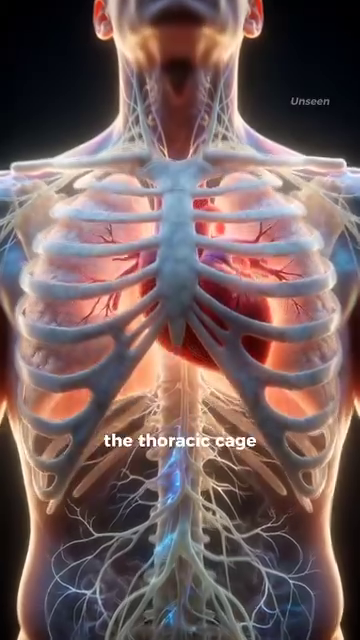
Source: Giai_Phau_Tennis_Toan_Dien.docx, Hình 4-6. Three views of the rib cage: external protection (Hình 4), intercostal muscles (Hình 5), bucket-handle rotation (Hình 6).
| Hình |
Description |
Image |
| 4 |
Thoracic cage — protective shield around heart and lungs |
 |
| 5 |
Intercostal muscles — lifting ribs |
 |
| 6 |
Bucket-handle rotation — ribs lifting outward |
 |
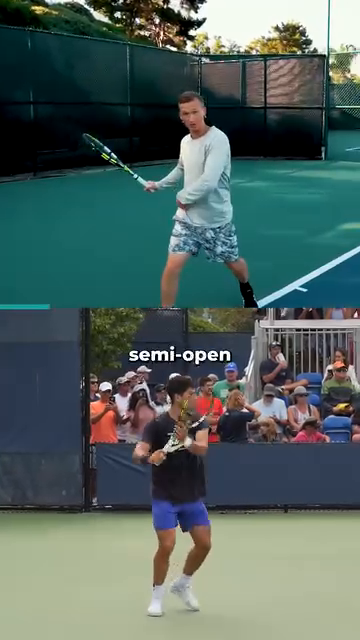
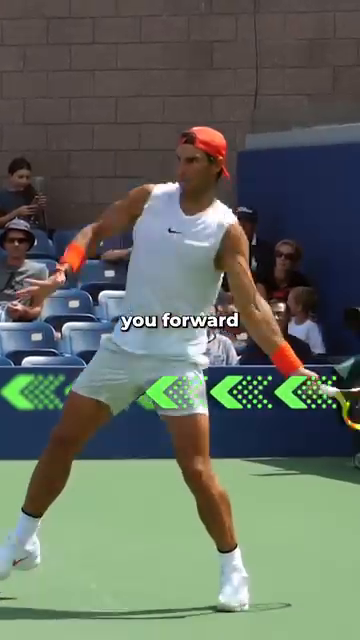
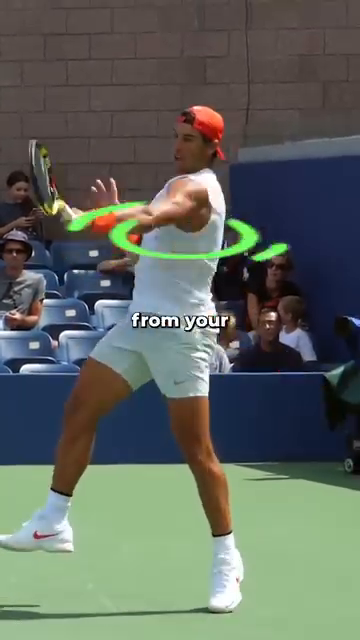
Source: Giai_Phau_Tennis_Toan_Dien.docx, Hình 13-15. The pro transition from semi-open stance loading to open stance contact.
| Hình |
Description |
Image |
| 13 |
Semi-open stance loading — shoulder rotated away from hip |
 |
| 14 |
Forward weight shift (Nadal example) — weight transfers without stepping |
 |
| 15 |
Rotation from trunk — force from obliques and thorax |
 |
| Hình |
Description |
Image |
| 16 |
45° angle — arm far from trunk creates optimal lever |
 |
| 17 |
BEFORE (amateur) — arm too bent, too close, lost lever |
 |
| 18 |
Djokovic example — contact in front of body, no wrist snap |
 |
| Hình |
Description |
Image |
| 19 |
Abduct elbow back — stretching pec major and anterior deltoid |
 |
| 20 |
5:30 position — hand level with hip, racket head up |
 |
| 21 |
Racket flip effortless — flip from elastic recoil |
 |
| Hình |
Description |
Image |
| 22 |
Drive legs — knee flexed, push into ground |
 |
| 23 |
Rotate hips — hip opens first, chest follows |
 |
All image filenames verified to exist in Anatomy_Lab/images/DD1_player_in_motion/.
🔗 CROSS-REFERENCES / THAM CHIẾU CHÉO
| Topic in DD1 |
See Also |
| Knee loading 50–80° |
DD6 Knees — full knee anatomy, meniscus, patellar tendon |
| Hip rotation 40–45° |
DD5 Hips & Thighs — gluteus maximus, deep rotators, piriformis |
| Shoulder 90° scapular plane |
DD2 Shoulders — rotator cuff, impingement, scapular control |
| Elbow 90–100° cubital tunnel |
DD3 Arms, Wrists & Hands — ulnar nerve, nerve flossing |
| Foot arch / windlass |
DD7 Ankles & Feet — 26 bones, 33 joints, proprioception |
| Thoracic cage 40–50° rotation |
DD4 Trunk & Spine — latissimus, multifidus, hip hinge |
| 50+ recruitment decline |
DD8 Control System — vestibular, proprioception, vision |
| Hip hinge |
DD4 Trunk & Spine — the spine-stays-neutral principle |
📚 SOURCES / NGUỒN
| Source |
Type |
What It Contributed |
Human anatomy/Anatomy_Chuyen_Dong.docx |
User's Vietnamese notes (5 images) |
Cheetah stifle 135–150°, Alcaraz 3 frames, thoracic cage 12 pairs, foot 26 bones/33 joints |
Human anatomy/Giai_Phau_Tennis_Toan_Dien.docx |
User's Vietnamese notes (23 images) |
Hip hinge, thoracic cage, 3-layer back, forehand kinetic chain, 45° contact rule, backswing secret |
Tennis Knowledge/7.Tennis Books in pdf/Tennis Anatomy ( PDFDrive ).pdf |
Reference textbook (Roetert & Kovacs, 2011) |
Stroke-by-stroke muscle activation, 1,074–2,300°/sec shoulder rotation, scapular plane, kinetic chain percentages |
| Royal Veterinary College cheetah study |
Cited in user's source DOCX |
70% body weight to hindlimb at 18 m/s, stride frequency vs length |
End of DD1 — The Player in Motion | Hết DD1 — Người Chơi Trong Chuyển Động
Next: DD2 — Shoulders (Rotator Cuff, Scapular Plane, Serve Anatomy) | Tiếp: DD2 — Vai (Chóp Xoay, Scapular Plane, Giải Phẫu Giao Bóng)